
A Guide to Digestive Wellness
Unlock the science behind optimal gut health and nutritional balance. Discover how strategic nutrition transforms your digestive system from the inside out.
Why Digestive Wellness Matters
Nutrient Absorption
A healthy digestive system maximises your body's ability to extract essential vitamins and minerals from the foods you consume.
Energy & Vitality
Improved digestion naturally leads to better energy levels, mental clarity, and overall physical performance throughout your day.
Immune Support
Over 70% of immune function originates in the gut, making digestive wellness essential for robust body defences.
Mood & Wellbeing
The gut-brain axis connects digestive health directly to mental wellness, emotional stability, and overall happiness.
Understanding the Gut-Health Connection
Your digestive system is far more than just a food processor. It's a sophisticated ecosystem inhabited by trillions of microorganisms that directly influence your health outcomes. When your gut microbiome is balanced and your digestive organs function optimally, every system in your body benefits.
Modern nutrition science reveals that strategic food choices can restore digestive balance, reduce bloating, improve regularity, and support long-term wellness. By understanding which nutrients feed beneficial bacteria and support digestive tissues, you take control of your health foundation.
- Fibre varieties: Soluble and insoluble fibres nourish your microbiome and support digestive movement.
- Fermented foods: Naturally probiotics support microbial diversity and gut barrier integrity.
- Polyphenol-rich foods: Plant compounds act as prebiotics, feeding beneficial bacteria populations.
- Hydration & minerals: Water and electrolytes maintain mucus layers and nutrient transport.
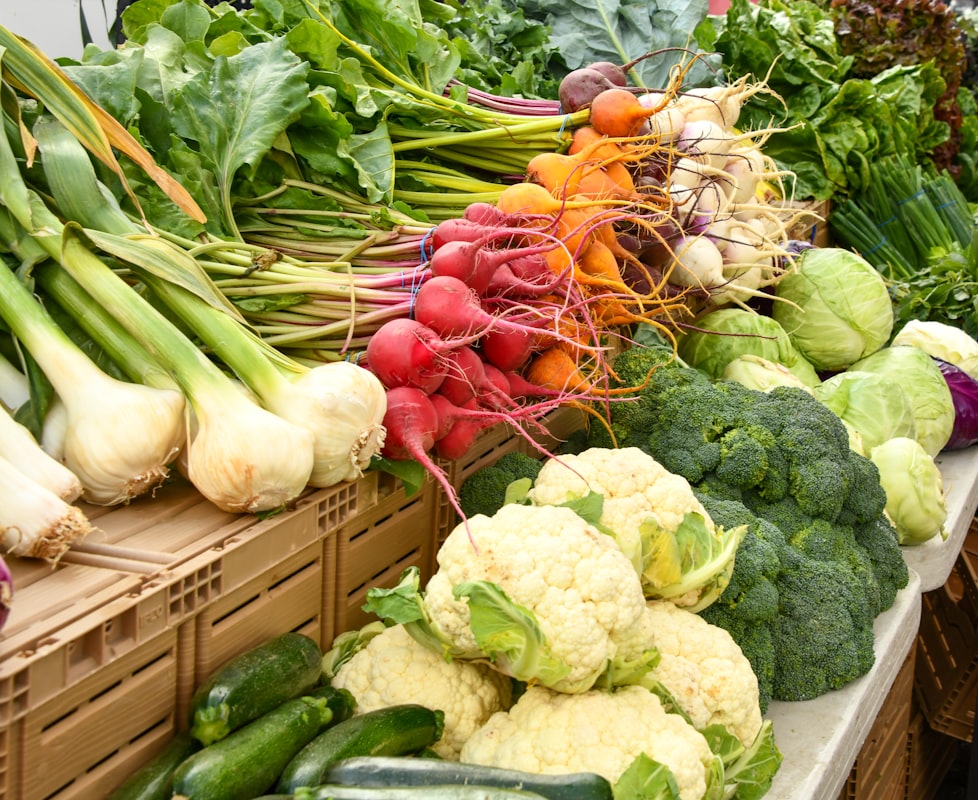
Your 5-Step Digestive Wellness Journey
Assessment & Awareness
Begin by observing your current digestive patterns. Note energy levels, digestion timing, bloating triggers, and stool regularity. Understanding your baseline helps you identify which nutritional changes will be most beneficial for your unique system.
Nutritional Foundation Building
Introduce whole, minimally processed foods rich in fibre, water content, and essential nutrients. Focus on vegetables, fruits, whole grains, legumes, and clean proteins. Gradually increase diversity to support a wider range of beneficial bacteria species.
Microbiome Optimisation
Incorporate fermented foods like sauerkraut, kimchi, yoghurt, and kefir. Combine with polyphenol-rich options such as berries, dark chocolate, and green tea. This synergy creates an environment where your microbiome flourishes and supports multiple body systems.
Lifestyle Integration
Pair nutritional improvements with digestive-friendly habits: mindful eating, adequate hydration (2-3 litres daily), regular movement, and stress management. These elements work synergistically to maximise nutrient absorption and support digestive function.
Maintenance & Continuous Learning
Establish long-term patterns that support digestive wellness. Stay informed about emerging nutrition science, monitor your body's responses, and adjust your approach seasonally. Wellness is a journey, not a destination—consistency yields the greatest benefits.
Nutritional Powerhouses for Digestive Health
Leafy Greens & Cruciferous Vegetables
Spinach, kale, broccoli, and Brussels sprouts deliver high fibre, minerals, and phytonutrients that support digestive enzyme production and beneficial bacteria growth. Their anti-inflammatory compounds soothe the digestive tract.
- Key nutrients: Folate, K vitamins, sulphur compounds
- Best served: Raw in salads or lightly steamed
Berries & Colourful Fruits
Blueberries, raspberries, blackberries, and cherries are polyphenol powerhouses that feed beneficial bacteria and reduce oxidative stress in the digestive system. Their natural fibre content supports healthy bowel movements.
- Key nutrients: Anthocyanins, vitamin C, pectin
- Best served: Fresh or in smoothies with live yoghurt
Whole Grains & Seeds
Oats, quinoa, brown rice, and seeds like flax, chia, and pumpkin offer sustained fibre, B vitamins, and minerals. They maintain stable blood sugar and feed diverse microbiome populations for long-term digestive balance.
- Key nutrients: Beta-glucans, lignans, magnesium
- Best served: Soaked or cooked to enhance digestibility
Fermented Foods & Probiotics
Sauerkraut, kimchi, tempeh, miso, and kefir contain live beneficial bacteria that repopulate your microbiome. These functional foods also enhance the bioavailability of minerals and support the intestinal barrier.
- Key nutrients: Live cultures, B vitamins, enzymes
- Best served: Raw or unpasteurised to preserve probiotics
Omega-3 Fish & Plant Proteins
Salmon, mackerel, and plant-based proteins like lentils and chickpeas provide amino acids for intestinal tissue repair. Omega-3s reduce inflammation and support the gut barrier's structural integrity.
- Key nutrients: EPA, DHA, amino acids, resistant starch
- Best served: Baked fish or slow-cooked legumes
Root Vegetables & Prebiotics
Onions, garlic, asparagus, and Jerusalem artichokes contain inulin and FOS compounds that act as prebiotics, selectively feeding beneficial bacteria species. This creates a thriving microbiome ecosystem.
- Key nutrients: Inulin, FOS, glutamine precursors
- Best served: Cooked or roasted for easier digestion
Digestive Wellness Features: A Comprehensive Comparison
| Wellness Factor | Baseline Digestion | Optimised Nutrition Approach | Expected Outcomes |
|---|---|---|---|
| Fibre Intake | 10-15g daily (deficient) | 25-38g daily from whole foods | Regular bowel movements |
| Hydration Status | Under 1.5 litres daily | 2-3 litres filtered water daily | Improved nutrient transport |
| Microbiome Diversity | Limited (processed foods) | 30+ plant varieties weekly | Stronger immune response |
| Fermented Food Frequency | Rarely or never | Daily small servings | Enhanced bioavailability |
| Anti-inflammatory Support | High omega-6 processed foods | Omega-3 fish, polyphenols, herbs | Reduced bloating |
| Eating Pace & Digestion | Rushed meals | Mindful eating, 20+ minutes | Better nutrient absorption |
These comparisons reflect evidence-based nutritional science. Individual results vary based on genetics, lifestyle, and baseline health status.
Common Digestive Questions Answered
Most people notice initial changes within 2-3 weeks of dietary modifications, such as more regular bowel movements and reduced bloating. However, deeper microbiome rebalancing typically takes 8-12 weeks of consistent nutritional support. Factors like baseline health status, medication use, and stress levels influence the timeline.
Absolutely. Whole foods—vegetables, fruits, legumes, and whole grains—contain all necessary fibre types. A diverse plant-based diet naturally delivers 25-38g daily. Food-based fibre also includes beneficial polyphenols and nutrients that supplements cannot replicate, making whole foods the optimal choice for sustainable digestive wellness.
Stress significantly impacts digestion through the gut-brain axis. Cortisol suppresses beneficial bacteria and impairs nutrient absorption. Combining nutrition optimisation with stress-reduction practices—meditation, gentle movement, adequate sleep—amplifies digestive improvements. A holistic approach addressing both nutrition and lifestyle yields the strongest outcomes.
Fermented foods vary in probiotic content and live culture counts. Raw, unpasteurised fermented foods retain more live bacteria than heated versions. Variety matters—rotating between sauerkraut, kimchi, miso, kefir, and tempeh exposes your microbiome to diverse bacterial strains, supporting broader community health and resilience.
Gradual dietary changes prevent transition bloating. Increase fibre intake slowly, ensuring adequate hydration to help your system adapt. Include cooked vegetables initially—easier to digest than raw—and introduce fermented foods in small amounts. This measured approach allows your microbiome to evolve without discomfort, establishing sustainable long-term habits.
Priority nutrients include: soluble and insoluble fibre (for movement and microbiome feeding), water (for mucus production and transport), glutamine (intestinal tissue repair), magnesium and zinc (enzyme function), and polyphenols (anti-inflammatory and prebiotic effects). A colour-diverse plant-forward diet naturally delivers all these essentials in optimal combinations.
Real Stories of Transformation
"After reading the digestive wellness articles, I completely restructured my eating habits. Within three weeks, my bloating disappeared and I had genuine energy for the first time in years. The detailed explanations about microbiome function helped me understand WHY these changes matter. This isn't just advice—it's transformative education."
Margaret Thompson
Bristol, United Kingdom
"The personalised meal plans transformed my relationship with food. I finally understand nutrition properly."
David Chen
Singapore
Ready to Transform Your Health?
Start your journey with Specialist Nutrition Path today. Our expert nutritionists are ready to guide you towards optimal wellness.